Dec 10-2022
What Are the Benefits of Organic Inulin Powder?
READ MORE >

Spirulina has been called one of the most nutrient-dense foods on the planet. A tiny blue-green alga, it is packed with protein, vitamins, and natural pigments, and it has become a staple in smoothies, wellness products, and functional foods. For food brands and supplement makers, Organic Spirulina Powder is one of the most versatile algae ingredients available. This guide from Naturfoods explains what makes it special, how to judge quality, and how to use it in your products.
Spirulina is a microscopic, spiral-shaped organism that grows in warm, alkaline water. Scientists classify it as a cyanobacterium, which is why it is often called blue-green algae. It uses sunlight to grow quickly, and it has been used as food in various cultures for centuries.
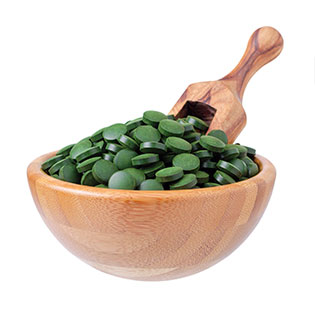
Its soft cell wall makes it relatively easy to digest. After harvesting, the biomass is washed, filtered, and dried, then milled into a fine powder or pressed into tablets.
Most spirulina is grown in shallow, open ponds called raceways, where paddle wheels keep the water moving so that the algae receive even sunlight. The water is kept alkaline, which helps protect the culture from many other organisms. Some producers use closed or indoor systems for tighter control.
Water quality, nutrients, temperature, and cleanliness all affect the final product. Harvesting is done by filtering the culture, and the fresh paste is dried quickly to preserve color and nutrients. Gentle, fast drying helps maintain the vivid blue-green color and reduces off-flavors.
Organic Spirulina Powder is valued for its high protein content, often in the range of 55 to 70 percent by dry weight. It also contains B vitamins, iron, and other minerals, along with natural pigments such as phycocyanin and chlorophyll. Exact values vary by batch and cultivation method, so always rely on the specification and test report provided by your supplier.
Because it is so concentrated, spirulina is usually consumed in small amounts, often a teaspoon or a gram-level serving, mixed into drinks or foods.
Organic certification means the product is produced under recognized organic rules, with controls on inputs, processing aids, cleaning, and traceability, and with regular inspection by an independent certifier. For buyers, an organic certificate offers confidence that documentation and practices meet a defined standard.
Always check that the certificate is current, that it covers the specific product and production site, and that it meets the requirements of your target market.
Good spirulina powder shows several signs of quality.
Color: a deep, even blue-green. Dull, brownish, or patchy color can suggest poor drying or storage.
Smell and taste: spirulina has a distinct, earthy, slightly sea-like aroma. Strong off-odors or a musty smell are not normal.
Texture: fine and free-flowing, without hard lumps.
Moisture: low moisture protects against clumping and spoilage.
Safety testing: heavy metals, microbiology, and, for spirulina, cyanotoxins such as microcystins should be tested and within limits.
Ask for a certificate of analysis for each batch, and compare results with the specification you agreed on.
Organic Spirulina Powder has many uses. In beverages, it is blended into smoothies, juices, and plant-based drinks. In foods, it adds natural color and nutrition to snacks, bars, pasta, and desserts. In supplements, it is used in powder blends, capsules, and tablets. Spirulina is also a natural source of blue color extract in some applications, though that requires specialized processing.
Flavor is the main challenge. Many formulators balance spirulina with citrus, pineapple, mint, banana, or cocoa. Using the right dose and combining it with strong flavors helps create products people enjoy.
Powder gives flexibility and the lowest cost per gram. It suits manufacturers and consumers who prefer to mix their own drinks. Tablets are convenient and hide the taste, which many people appreciate. Brands often offer both to reach different customers.
Spirulina is sensitive to heat, light, humidity, and oxygen. Keep it sealed in food-grade packaging, in a cool, dry, dark place. For bulk storage, avoid temperature swings that cause condensation. After opening, reseal quickly and use clean, dry utensils.
Proper storage protects color, flavor, and nutrient content, and it extends shelf life.
When you add Organic Spirulina Powder to a recipe, start with a low dose and increase gradually, tasting at each step. Pre-mix the powder with a small amount of liquid or another dry ingredient to avoid lumps. Be aware that its color can fade with strong heat, bright light, or acidic conditions, so test your finished product over its shelf life. For clear labeling, record the exact amount per serving and keep batch information with your production records.
Choosing on price alone is the biggest mistake. Very cheap powder may come from poorly managed cultivation, careless drying, or weak testing. Another mistake is skipping samples. Always test color, smell, taste, and dispersibility in your own product. Some buyers also forget to check certificates carefully, or fail to confirm packaging and shipping terms. A few extra questions at the start can prevent expensive problems later.
Rules for supplements and foods vary by country. Make sure your labels, ingredient statements, and any claims comply with local law. Avoid medical or disease-related claims. Some people, such as those with phenylketonuria, certain autoimmune conditions, or those taking specific medicines, should speak with a healthcare professional before using spirulina.
Naturfoods supports buyers with clear communication and a focus on organic algae ingredients. Share your project details, target market, and expected volume, and our team can discuss specifications, documents, and samples with you.
If you are searching for dependable Organic Spirulina Powder, contact Naturfoods today and start building a quality supply for your brand.